- 195-B, Libaspur Road Samaypur, Delhi-110042
Technical Support: (9:00 am to 9:00 pm GMT +5:30)


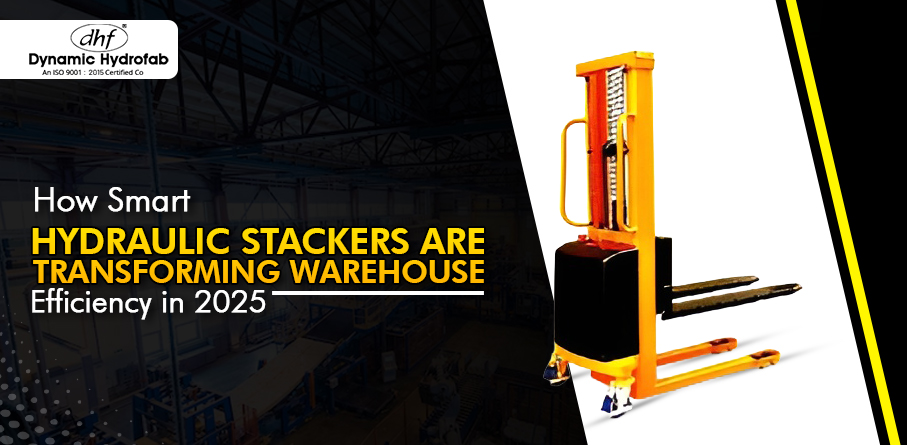
One of the most useful technologies in modern warehouses is the smart Hydraulic stacker. As more companies adopt automation and smarter handling systems, these high-tech machines are changing how things are stored, moved, and picked up. Their use has skyrocketed since 2025 because they can increase output, improve safety, and lower work pressure. Knowing how these smart stackers work and why they're essential can help companies keep up with the needs of their operations.
Material handling has always been possible with traditional stackers, but smart hydraulic stackers are more efficient and better suited to today's fast-paced supply chain. They use both hydraulic power and smart controls to make pulling easier, more accurate, and more stable. Smart solutions have replaced traditional ones in warehouses because they reduce manual work, prevent errors, and maintain consistent performance even during peak volume.
One more reason they are becoming more important is that warehouses are being forced to operate faster while using less space. Both needs are met by smart Hydraulic Stacker machine, which are compact, have small turning circles, and feature built-in safety features that allow workers to work safely in crowded areas. Because they can be easily changed, they are perfect for e-commerce hubs, manufacturing units, store inventory centers, and logistics centers.
By 2025, smart hydraulic stackers will feature many advanced technologies that will change the way we move things. Load tracking with sensors is one of the most significant improvements. These monitors constantly monitor how weight is distributed, keeping the lift stable and preventing overloading. This means that warehouses have fewer problems with broken tools and damaged goods.
Electronic control systems represent another significant step forward, enabling workers to move the stacker with minimal physical effort. Programmable lifting cycles, auto-stop features, and precision speed control all help improve stacking and retrieval accuracy. Better battery management also helps keep businesses open longer, especially in warehouses with multiple shifts. Many of the new models come with hydraulic pumps made by Hydraulic Stacker Manufacturers that use less power without compromising effectiveness.
Some stackers are built to work with warehouse management systems (WMS), which let you keep track of data in real time. By connecting everything, managers can keep an eye on how things are being used, how the equipment is holding up, and where work is getting stuck. It also supports predictive maintenance, reducing downtime and extending equipment lifespan.
Smart Hydraulic stacker is changing the way warehouse workers do their jobs in a big way. Workers can finish jobs faster and with fewer mistakes if the controls are easy to understand and computers provide help. Because workers don't have to lift heavy things as often, they don't get as tired and can focus on more important jobs instead of doing the same things over and over.
In 2025, smart Hydraulic Stacker machines will not only be useful tools but also assets that will completely change how warehouses operate. They provide unmatched accuracy, stability, and output by combining smart controls, high-tech monitors, and energy-efficient systems. When warehouses use these stackers, their operations run more smoothly, they experience less downtime, and they meet higher safety standards. Businesses that want to stay efficient, competitive, and ready for the future will need smart hydraulic stackers even as supply lines change.
Also Read:- What to Look for When Buying a Hydraulic Stacker in 2025: Features, Safety, & Specs

.jpg)


Leave a Comments